
Layout Blocks / Fifishing Content InnerEditAddX Current Gulf Shores, AL Fishing Report & Forecast

How Reef Fishing Charters from Fort Morgan Target Multiple Species

Published September 11th, 2026 by MSC Fishing Charters

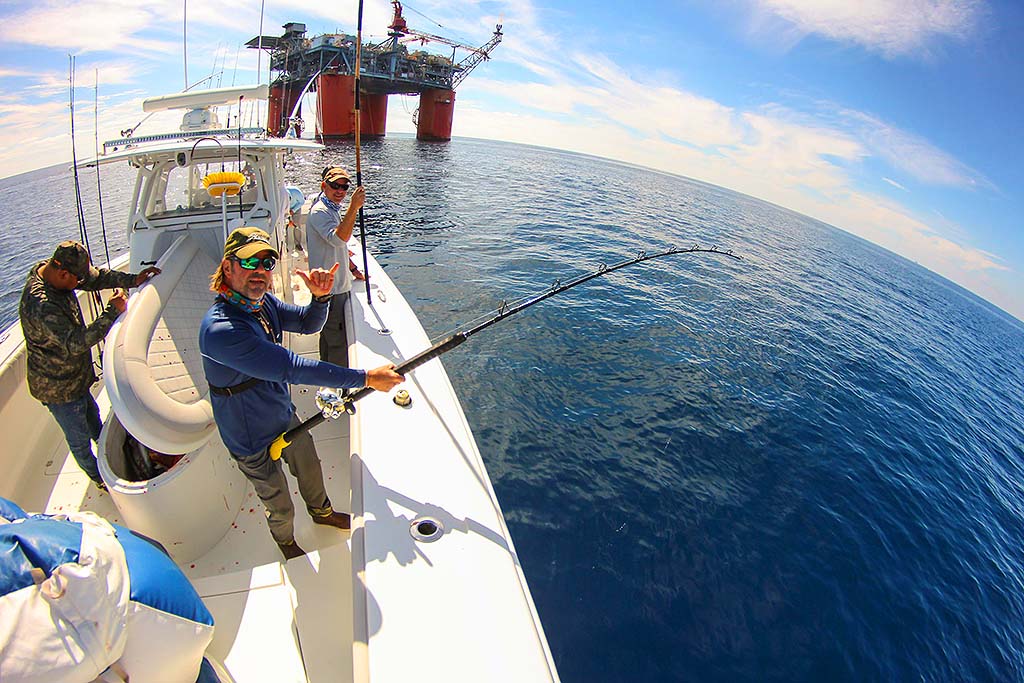
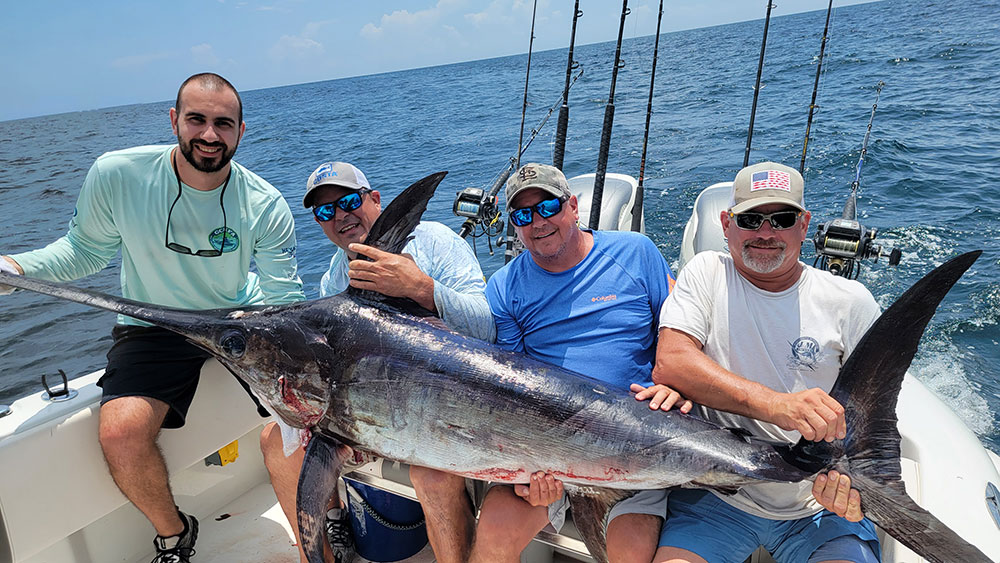
Fort Morgan charters don't just drop lines and hope. They engineer the day around structure, season, and species behavior — knowing that the Gulf's reef zones are stacked with opportunity if you fish them right. Most anglers show up wanting snapper and leave with coolers full of grouper, amberjack, and triggerfish too. That's not luck. That's strategy.

How Reef Fishing Charters from Fort Morgan Target Multiple Species

The reefs off Alabama's coast are magnets for everything that swims, feeds, or hunts. Natural ledges, artificial drops, and sunken debris all hold fish — different species, different depths, different moods. A skilled captain reads that mosaic and adjusts on the fly. That's how one trip turns into five species and zero wasted time.

The Structure Decides What Bites

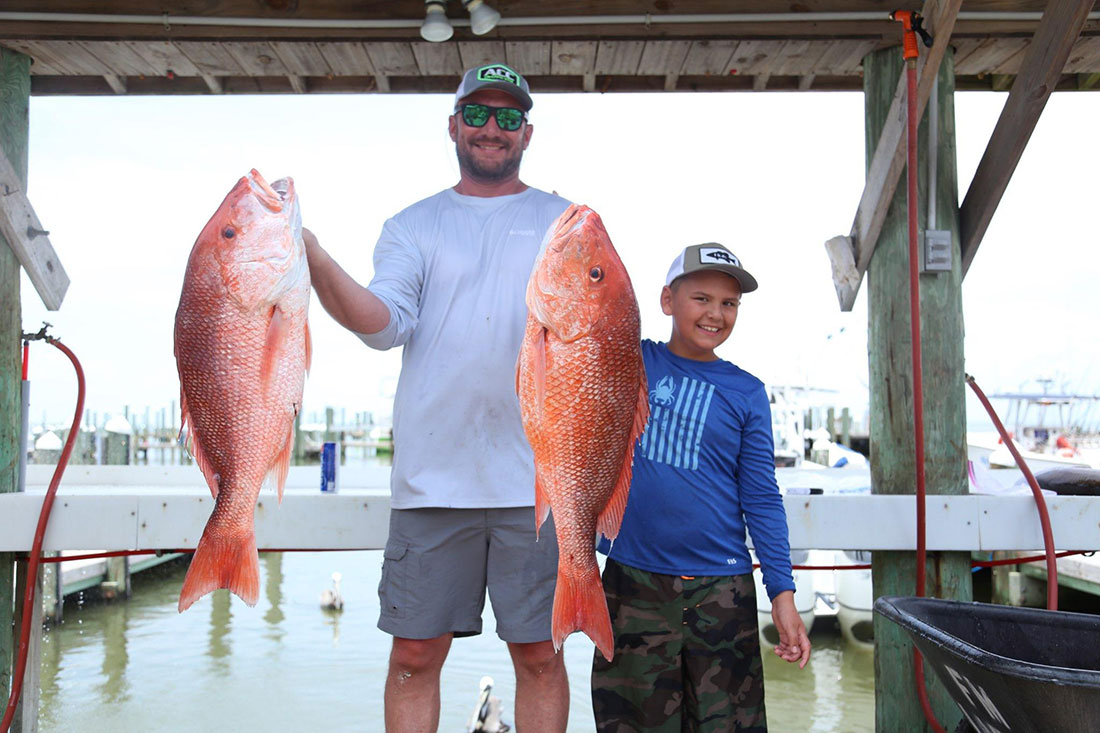
Every reef tells a story. Limestone shelves hold snapper tight to the bottom. Steel wrecks draw amberjack that circle and strike fast. Rubble piles attract triggerfish that pick and peck. Fort Morgan captains know which structures hold which species — and they move between them like they're working a checklist.

Artificial reefs are game-changers here. Alabama's program has dropped hundreds of modules, barges, and ships across the Gulf floor, creating new habitat where there was sand. These spots pull in baitfish, which pull in predators, which pull in everything else. Charters rotate between natural and man-made zones to keep the action rolling and avoid burning out a single spot.

Gear Shifts With the Target

You can't fish the same way for every species. Bottom rigs with heavy weights and circle hooks work for snapper and grouper hugging structure. But when amberjack show up mid-column, you're switching to live bait on lighter tackle and letting it swim free. King mackerel? You're trolling spoons or slow-pitching jigs near the surface.

Fort Morgan charters rig multiple setups before leaving the dock. That means no downtime when the bite changes. One angler drops for snapper while another casts topwater for kings. It's controlled chaos — and it's how you fill a cooler with variety instead of just volume.

  • Heavy conventional reels paired with 50- to 80-pound braid for bottom species
  • Medium spinning gear for amberjack and other mid-water fighters
  • Trolling rods rigged with wire leaders for king mackerel and barracuda
  • Live bait wells stocked with cigar minnows, pinfish, and pogies
  • Cut bait and squid for days when live bait's scarce or the bite's slow

Timing the Bite Around the Calendar

The Gulf doesn't fish the same way in May as it does in October. Red snapper season opens for a narrow window each summer, and that's when charters hit the deeper reefs hard. Grouper seasons shift depending on federal rules, and triggerfish have their own short windows. Miss the timing, and you're targeting something else.

Spring and fall bring pelagic action closer to the reefs. King mackerel run the edges, amberjack stack up on wrecks, and even cobia show up cruising structure. Fort Morgan captains track these patterns year after year, building a mental map of what bites when. That's what separates a charter that produces from one that guesses.

  • Summer brings red snapper, lane snapper, and vermilion snapper to deeper reefs
  • Spring sees amberjack, grouper, and triggerfish become more aggressive
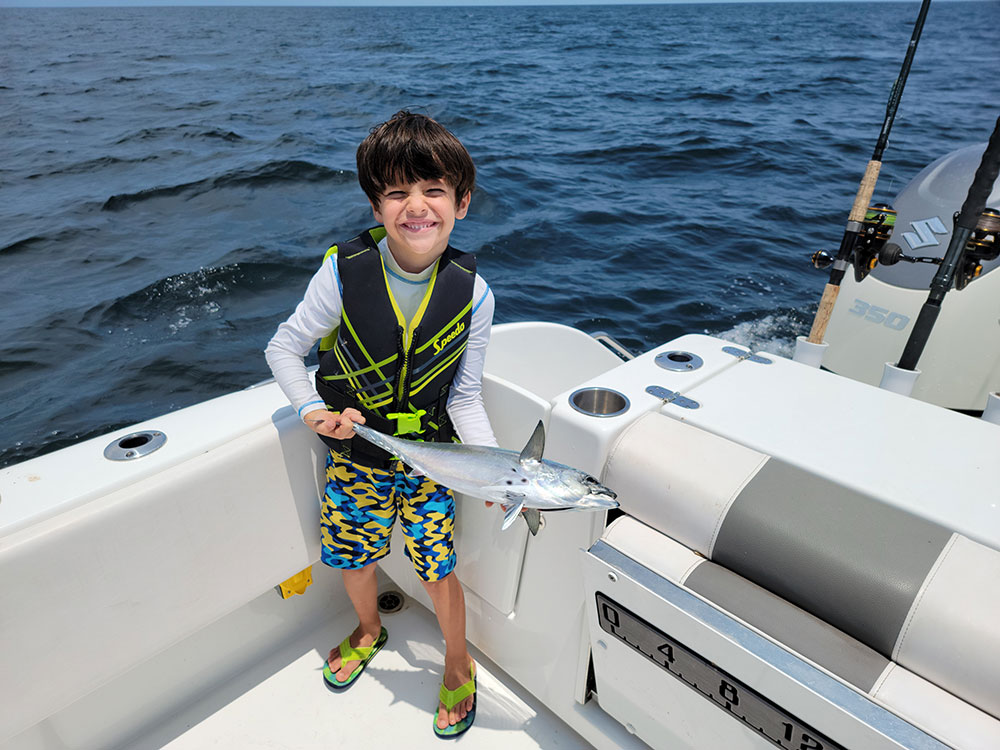
  • Fall transitions bring king mackerel and bonito into the mix
  • Winter slows the action but still delivers sheepshead and black drum near structure
  • Moon phases and tides shift feeding windows — experienced captains adjust departure times accordingly

Reef fishing charters from Fort Morgan targeting multiple species

Electronics and Experience Work Together

Modern fish finders don't just show bottom — they show what's swimming above it. Fort Morgan captains use GPS to mark productive reefs, sonar to identify fish arches, and side-scan imaging to spot bait schools and structure edges. But the screen only tells half the story. The rest comes from years on the water.

Captains log their trips. Which reef produced snapper last August? Where did the amberjack school up during the full moon? What depth held triggerfish when the current was slack? That data compounds over time, turning every outing into a calculated move instead of a coin flip.

  • GPS waypoints mark hundreds of natural and artificial reefs across the region
  • Sonar units reveal fish depth, size, and behavior in real time
  • Water temperature gauges help predict which species are active
  • Weather apps track wind, swell, and barometric pressure — all factors that affect the bite
  • Trip logs create a roadmap of what worked, what didn't, and why

Rotating Spots Keeps the Pressure Off

Hammering the same reef every day burns it out. Fort Morgan charters understand that. They spread their effort across dozens of locations, giving each spot time to recover between trips. That's good for the fish — and it's good for business. A healthy reef produces more fish, more variety, and more repeat clients.

The abundance of artificial reefs makes this easier. Instead of crowding onto a handful of natural ledges, charters have access to a sprawling network of man-made habitat. Some reefs hold more snapper. Others stack with amberjack. A few are triggerfish magnets. Knowing which is which — and when to hit them — is what keeps the cooler full and the clients happy.

  • Artificial reefs range from shallow inshore drops to deep offshore structures
  • Sunken barges and ships create vertical relief that attracts larger predators
  • Concrete pyramids and reef balls provide smaller hiding spots for baitfish and bottom dwellers
  • Rotating between reefs reduces overfishing and maintains long-term productivity
  • Alabama's reef program continues to expand, adding new habitat every year

Why Fort Morgan Delivers

Fort Morgan isn't just close to the reefs — it's positioned where the Gulf's best structure and species overlap. The captains here don't just fish. They adapt, rotate, and read the water like it's second nature. That's why anglers leave with more than one species in the box and more than one story to tell.

If you want variety, you need a charter that knows how to fish the reefs smart — not just hard. Fort Morgan's captains have that locked down, and the Gulf keeps delivering when they do.

Let’s Plan Your Next Fort Morgan Fishing Adventure

We know the thrill of chasing multiple species and the satisfaction of a cooler packed with variety. If you’re ready to experience the Gulf’s best reef fishing with a crew that knows every hotspot, let’s make it happen together. Call us at 251-508-1674 to talk details, or book a trip and let’s get your next fishing story started.


‹ Back

Let's Build a Crew - Join Our Mailing List!

We send alerts about upcoming fishing charters and we'll pick one lucky subscriber out of every 100 to join us on a fishing charter for FREE!

*No spam, no bs, just fish. Just an email when we ride.