
Layout Blocks / Fifishing Content InnerEditAddX Current Gulf Shores, AL Fishing Report & Forecast

Should You Target Tuna or Swordfish on a Gulf Shores Fishing Charter?

Published June 3rd, 2026 by MSC Fishing Charters

Gulf Shores anglers face a choice that matters more than most realize. Tuna or swordfish? It's not just about what bites—it's about what kind of fight you're ready for, how much patience you've got, and whether you want chaos or calculated risk. Both species swim these waters. Both will test your gear and your nerve. But they're not interchangeable, and treating them like they are is how trips go sideways.

Should You Target Tuna or Swordfish on a Gulf Shores Fishing Charter?

So here's what we know. Tuna fishing is speed and volume. Swordfishing is depth and endurance. One happens in daylight with multiple shots at glory. The other unfolds in darkness, sometimes for hours, with no guarantee you'll even get a bite. Your decision should match your expectations—not just what sounds cool when you're booking the charter.

Tuna Brings the Action

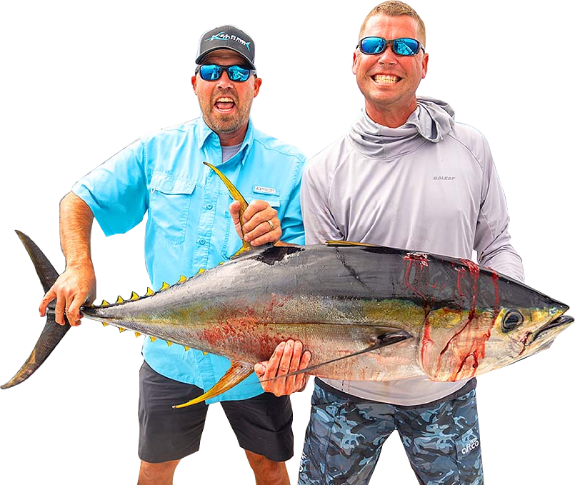
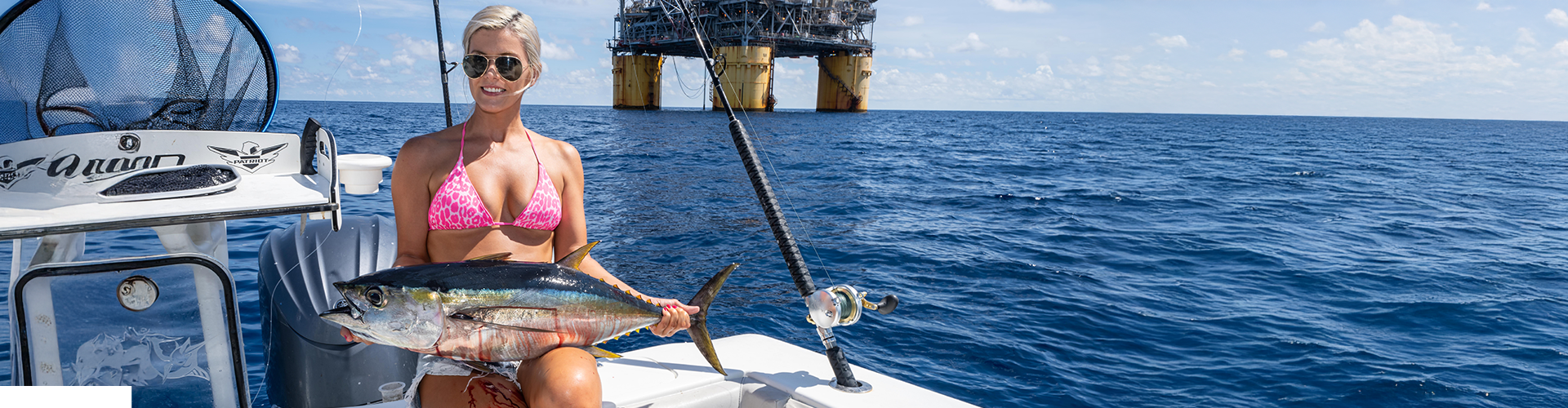
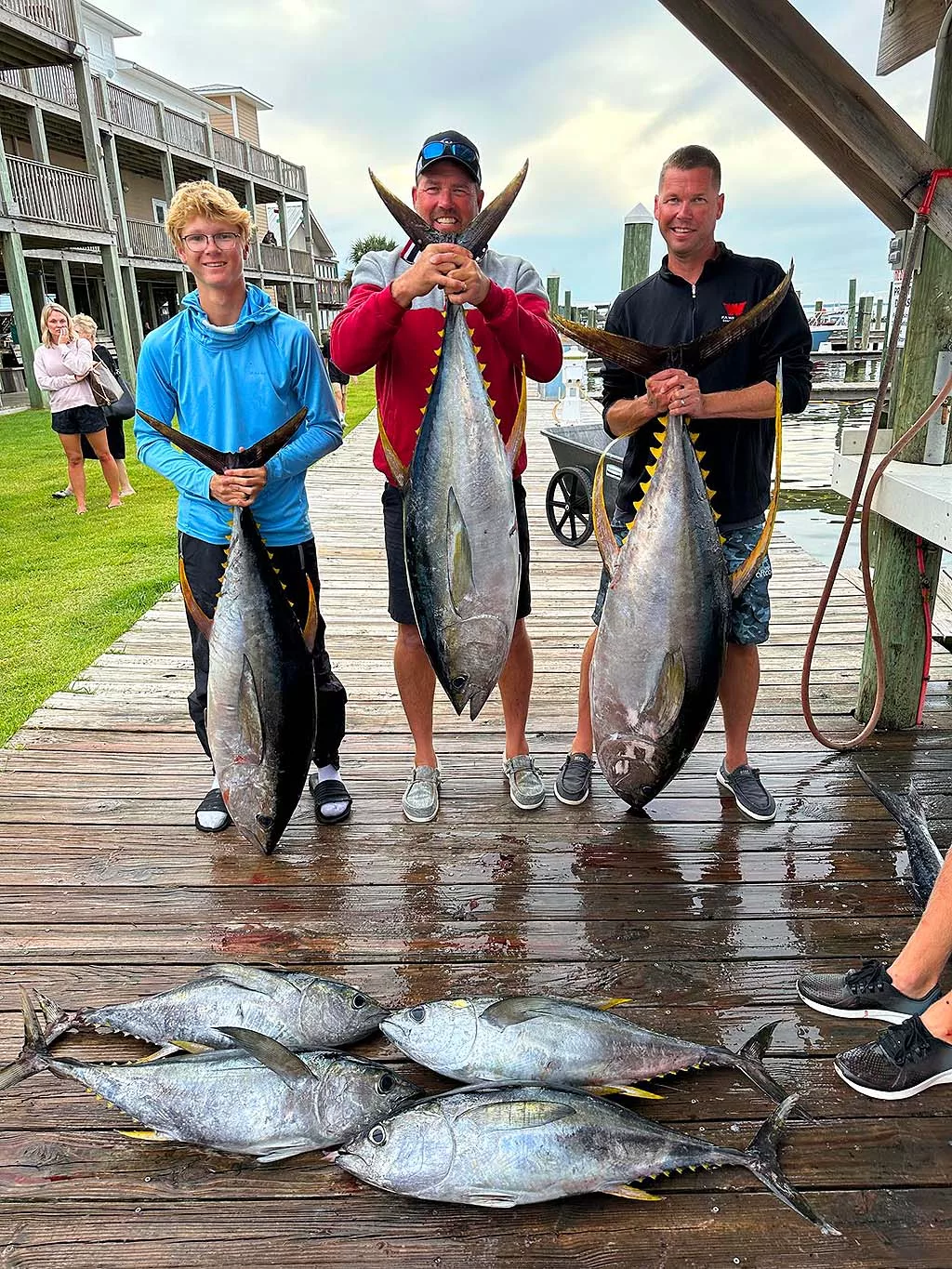
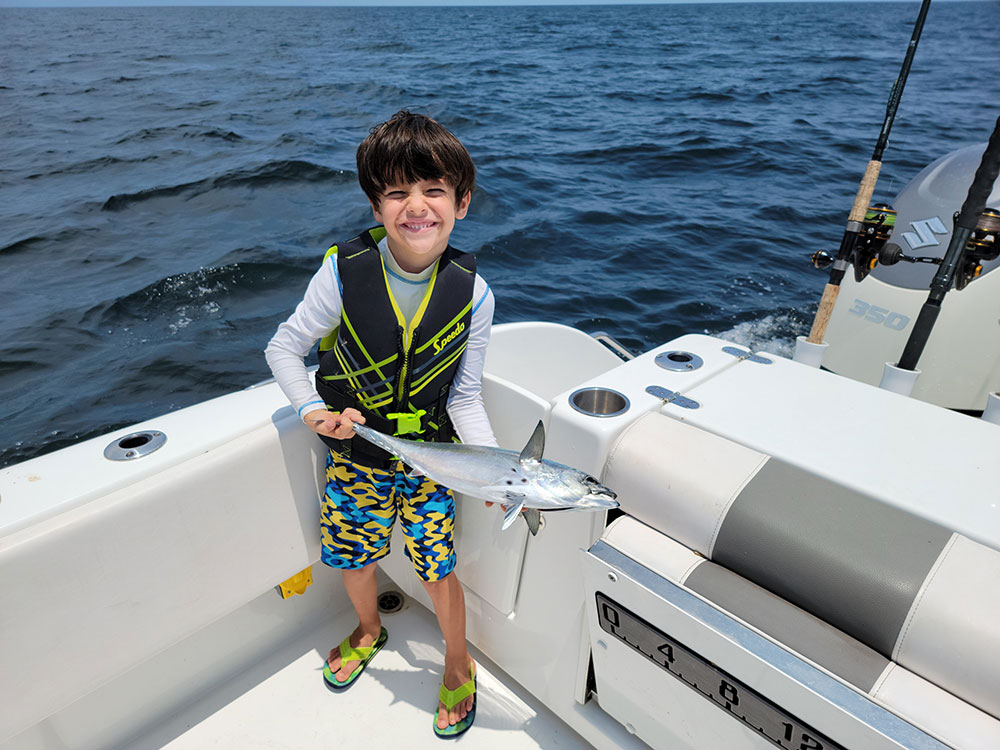
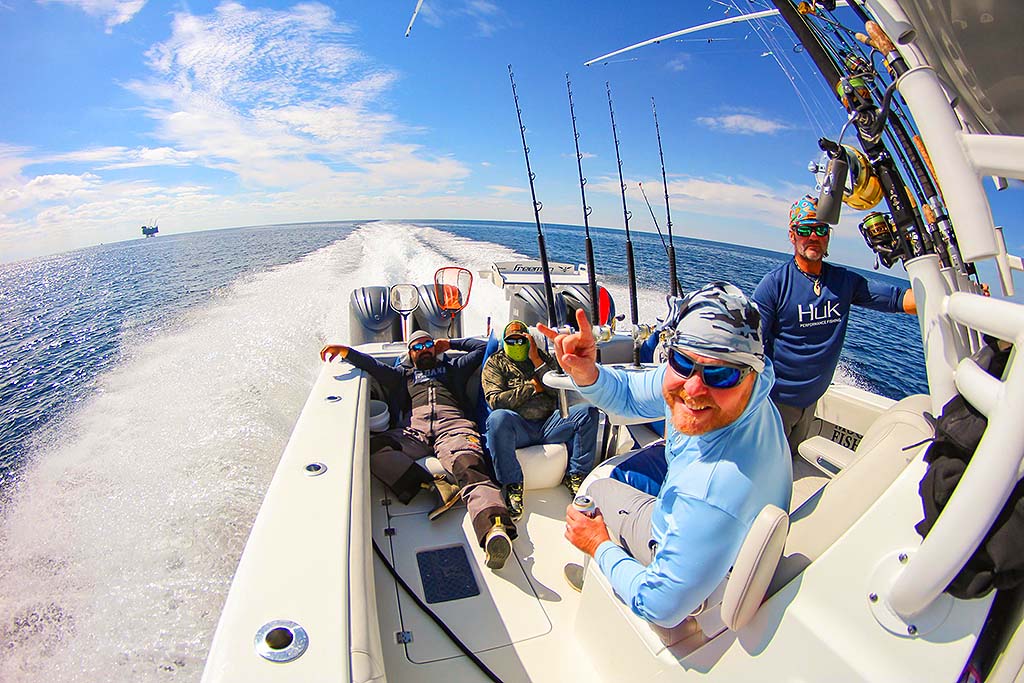
Yellowfin and blackfin tuna don't mess around. They're fast, they're strong, and when you find a school, the action stacks up quick. We're talking 40 to 80 miles offshore, sometimes more, chasing blue water and temperature breaks. Once you're on them, it's all hands on deck. Rods bend, reels scream, and if you're not ready, you'll lose fish before you even know what happened.

Tuna fishing is a daytime game. Trolling spreads, chunking over structure, live bait on the drift—whatever gets their attention. The fight is relentless. A 50-pound yellowfin will make you question your grip strength. A 100-pounder will make you question your life choices. But the payoff is real. Fresh tuna on the grill? That's the kind of reward that makes the soreness worth it.

  • Trolling works when you're covering water and searching for active fish
  • Chunking brings them in close when you've located a school
  • Live bait gets the bigger, more cautious tuna to commit
  • Multiple hookups are common when the bite is hot
  • The meat is top-tier, whether you sear it or serve it raw

Swordfish Demand More

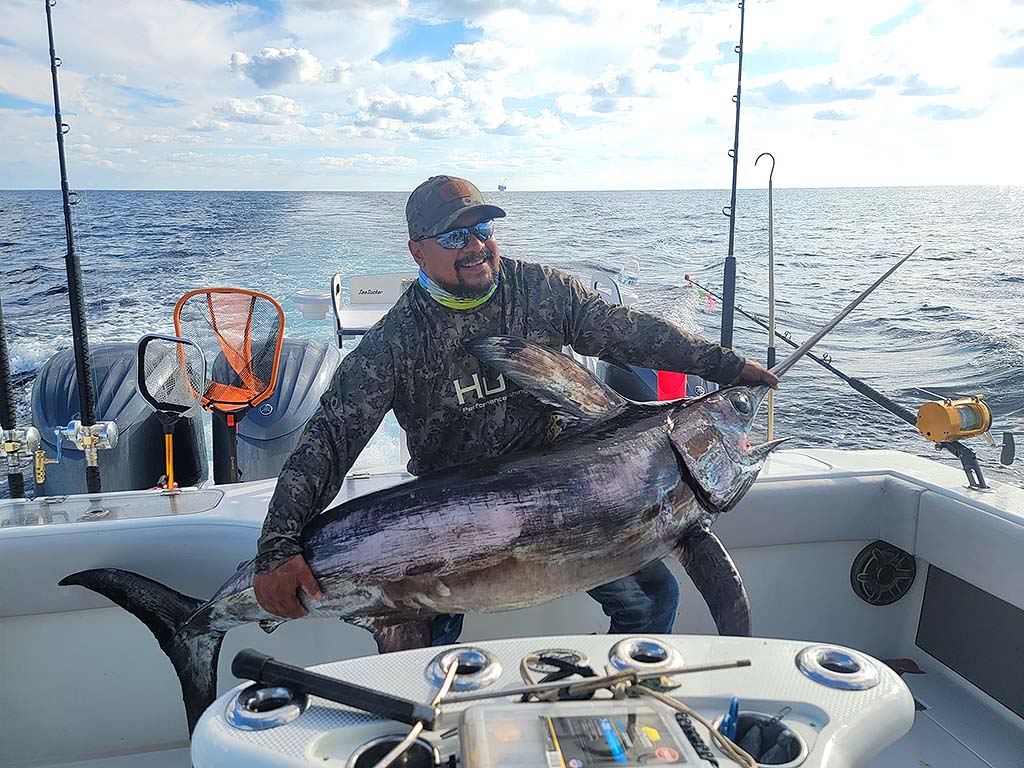
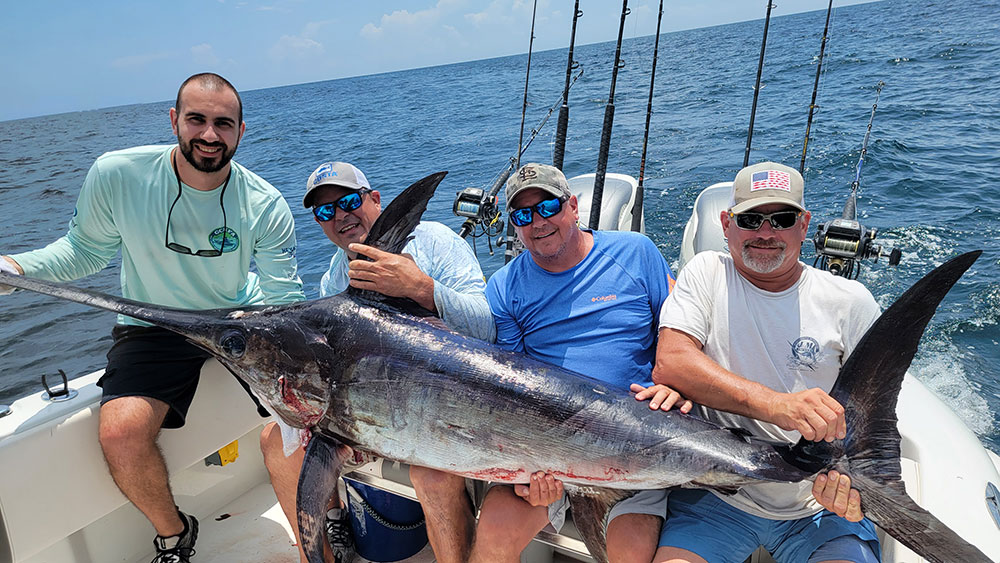
Swordfish are a different breed. They live deep—1,000 feet or more—and they don't come easy. Most charters target them at night, when they rise closer to the surface to feed. You're dropping baits into the abyss, waiting for a tap that might not come for hours. When it does, the fight is brutal. Swordfish don't quit. They dive, they run, and they'll test every knot and connection on your rig.

This isn't a numbers game. You might get one shot all night. Maybe none. But when you hook a swordfish, it's the kind of battle that stays with you. These fish are built for war, and landing one is a legitimate accomplishment. The meat is dense, flavorful, and commands respect at the table. But make no mistake—this is a grind. If you're not wired for patience and long stretches of quiet, swordfishing will break you.

  • Night fishing is standard, with baits dropped deep into the dark
  • Daytime swordfishing is possible but requires specialized deep-drop techniques
  • Fights can last hours, with powerful runs and deep dives
  • Landing one is a trophy-level achievement, not just another catch
  • The meat is prized for its firm texture and rich flavor

What Drives Your Decision

If you want action, volume, and a social vibe, tuna is the move. It's ideal for groups, families, or anyone who wants to maximize hookups and minimize downtime. You'll cover water, chase birds, and when the bite turns on, it's electric. Tuna trips are about energy and momentum. You're not sitting around hoping—you're actively hunting.

If you're after a singular, hard-earned trophy, swordfish is the target. It's a test of will as much as skill. You'll spend hours in the dark, waiting for a fish that may or may not show. But when it does, you'll know why people obsess over this species. Swordfishing is for anglers who want the challenge more than the guarantee. It's not for everyone, and that's the point.

  • Tuna trips offer multiple chances and faster-paced action
  • Swordfish trips require patience and a tolerance for uncertainty
  • Tuna fishing works well for groups and mixed experience levels
  • Swordfishing appeals to serious anglers chasing a bucket-list catch
  • Both species deliver exceptional table fare, just in different styles

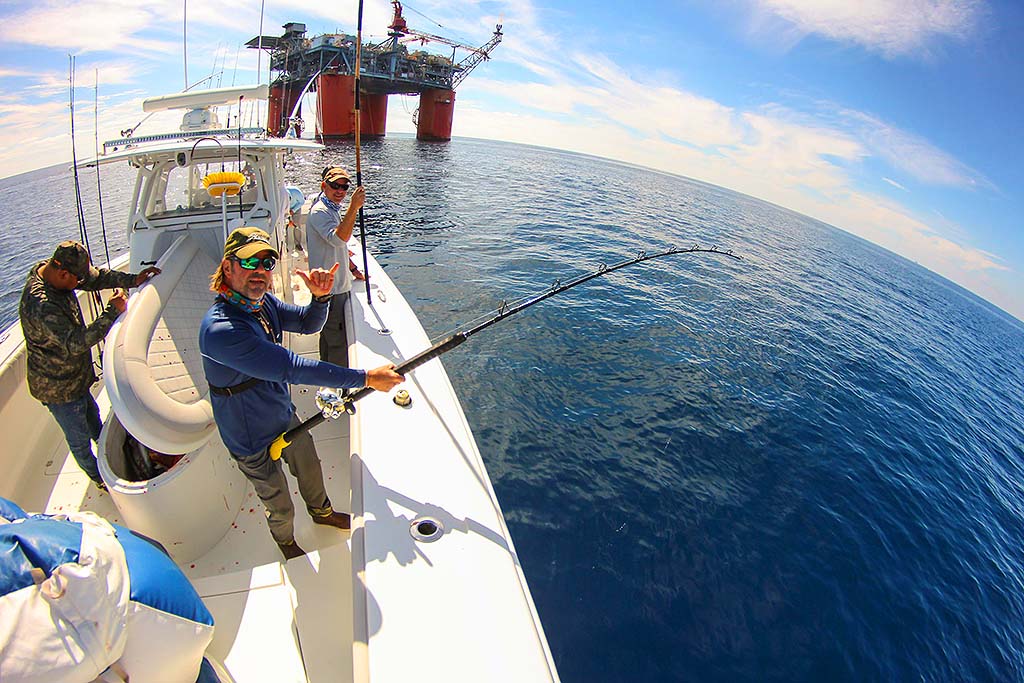
Tuna and swordfish fishing adventure on a Gulf Shores charter

What Your Captain Needs to Know

Don't show up expecting your captain to read your mind. Tell them what you're after. If you want nonstop action, say so. If you're willing to grind for a swordfish, make that clear. Captains can adjust tactics, but only if they know what success looks like to you. Experience level matters too. If you've never fought a big fish, tuna might be the smarter start. If you've logged hours offshore and want the next level, swordfish is waiting.

Weather and season play a role, but so does flexibility. Sometimes the tuna bite is off and the swordfish are active. Sometimes it's the reverse. The best trips happen when anglers trust their captain's read and stay open to what the water is giving them. Stubbornness doesn't catch fish—adaptability does.

  • Communicate your goals and experience level upfront
  • Ask about recent activity for both species before committing
  • Be ready to pivot if conditions favor one target over the other
  • Trust your captain's judgment on tactics and timing
  • Bring the right mindset for the style of fishing you've chosen

Gear and Prep Make the Difference

Most charters provide everything you need, but it's worth confirming. Tuna setups are built for speed and power—heavy spinning or conventional reels, strong drag systems, and leaders that can handle sharp runs. Swordfish gear is even beefier, with electric reels common for deep drops and heavy weights to get baits down fast. If you've got preferences or want to bring your own tackle, talk to the captain ahead of time.

Physical prep matters too. Tuna fishing is a workout. You'll be on your feet, managing rods, and fighting fish that don't give up. Swordfishing is less physically intense but mentally draining. Long waits in the dark, followed by explosive action, require focus and stamina. Either way, show up rested, hydrated, and ready to put in the work.

  • Tuna gear emphasizes speed, power, and quick hooksets
  • Swordfish gear is built for depth, weight, and endurance
  • Electric reels are standard for deep-drop swordfishing
  • Bring layers for night trips—it gets cold offshore after dark
  • Stay hydrated and fueled, especially on long tuna runs

The Right Target for the Right Trip

There's no wrong answer here, just the wrong fit. Tuna delivers excitement and volume. Swordfish delivers challenge and prestige. Both are worth the trip. Both will push your limits. The question isn't which is better—it's which matches what you're chasing. If you're not sure, talk it through with your captain. They've seen both sides and can steer you toward the experience that'll leave you planning the next trip before you even hit the dock.

Gulf Shores has the water, the captains, and the fish. All you need to do is decide what kind of fight you're ready for. Whether you're interested in offshore fishing charters targeting tuna or pursuing a deep sea fishing adventure, you're in for something real. For more insights, check out tips from local fishing charters experts.

Let’s Plan Your Next Offshore Adventure

We know every angler is looking for something different—whether it’s the fast-paced thrill of tuna or the epic challenge of swordfish. Let’s talk about what you want out of your Gulf Shores fishing trip and make it happen together. Give us a call at 251-508-1674 to get started, or book a trip and we’ll help you chase the kind of catch you’ll be talking about for years.


‹ Back

Let's Build a Crew - Join Our Mailing List!

We send alerts about upcoming fishing charters and we'll pick one lucky subscriber out of every 100 to join us on a fishing charter for FREE!

*No spam, no bs, just fish. Just an email when we ride.